




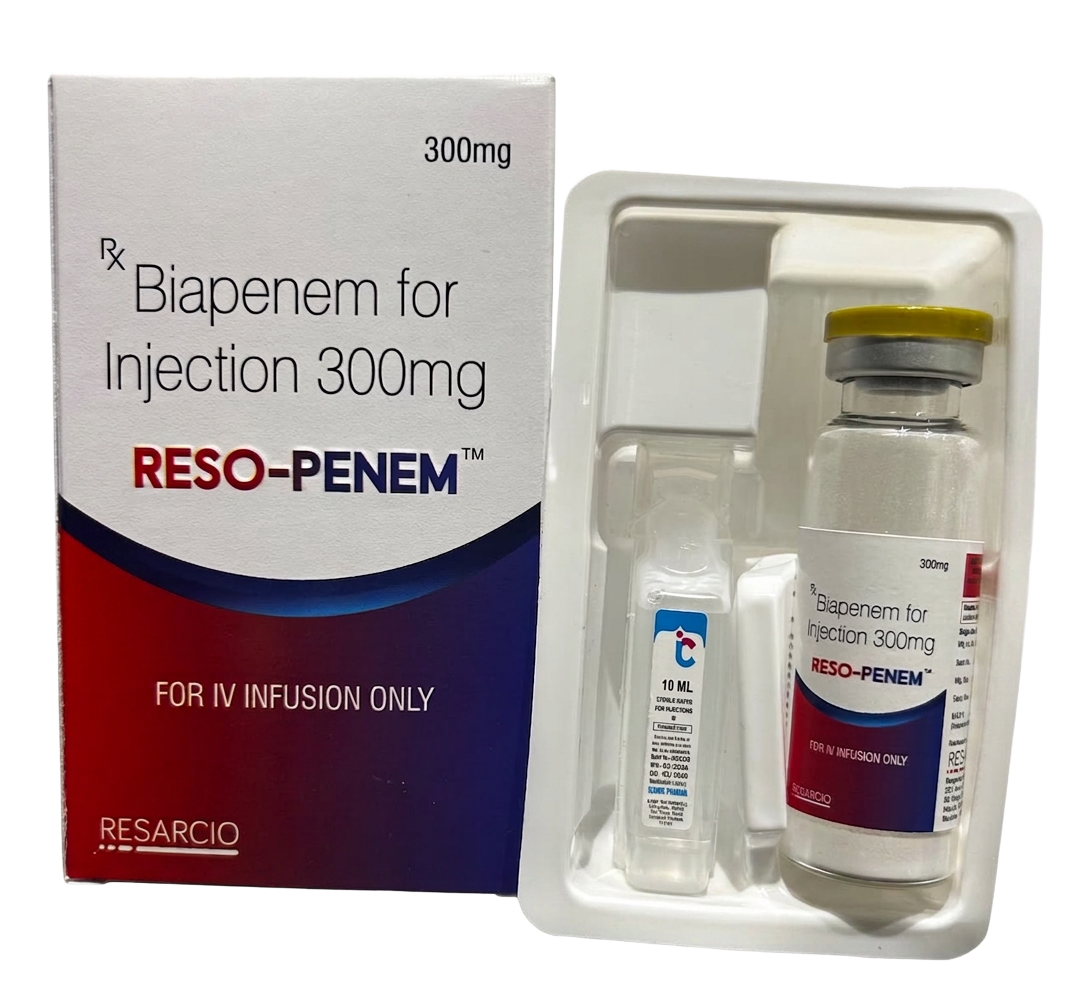
Reso-Penem™ Injection 300mg
Next-Gen Carbapenem — Rest Assured against resistant pathogens.
Chemical Composition
Each vial contains Biapenem 300mg (For IV Infusion Only). Supplied with 10 ML Sterile Water for Injection.
Indications
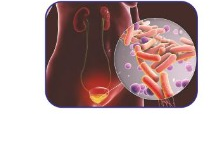
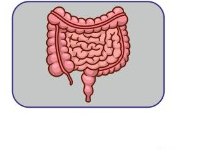
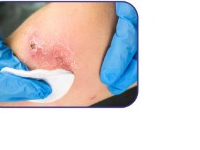
Complicated Urinary Tract Infections (Resistant Organism, Pyelonephritis), Intra-Abdominal Infections (Peritonitis, Abdominal Abscesses), Lower RTI (Hospital-Acquired & Broncho Pneumonia), Septicemia, Skin & Soft Tissue Infections, Gynecological Infections (PID & Endometriosis), Severe Systemic Hospitalised Infections
Disclaimer: Information on this page is intended for healthcare practitioners and is not a substitute for professional medical advice. Please consult your physician before using any product.
Biapenem injection 300mg — about Reso-Penem
Reso-Penem is a biapenem injection manufactured by Resarcio India LLP. Each vial delivers Biapenem 300mg for intravenous infusion only and is supplied with 10 ml sterile water for injection, making it a convenient, ready-to-reconstitute carbapenem for hospital use.
Why clinicians choose biapenem
Biapenem is a next-generation carbapenem with broad-spectrum activity against Gram-positive, Gram-negative and anaerobic pathogens, including many ESBL-producing and multidrug-resistant organisms. It offers high stability to renal dehydropeptidase-1, so no cilastatin is required, and is associated with a favourable central nervous system tolerability profile compared with older carbapenems.
Choosing the best biapenem injection
When selecting a biapenem injection, hospitals look at manufacturing quality, vial sterility, consistent potency and reliable supply. Reso-Penem is produced at WHO-GMP compliant facilities under strict quality assurance and is distributed across India through the Resarcio network, so treatment protocols are not interrupted.
Clinical use
Reso-Penem biapenem 300mg injection is indicated in complicated urinary tract infections including pyelonephritis, intra-abdominal infections such as peritonitis and abdominal abscess, lower respiratory tract infections including hospital-acquired and broncho pneumonia, septicaemia, skin and soft tissue infections, gynaecological infections such as PID and endometritis, and severe systemic infections in hospitalised patients. Dosage and administration must be determined by the treating physician.
Related products
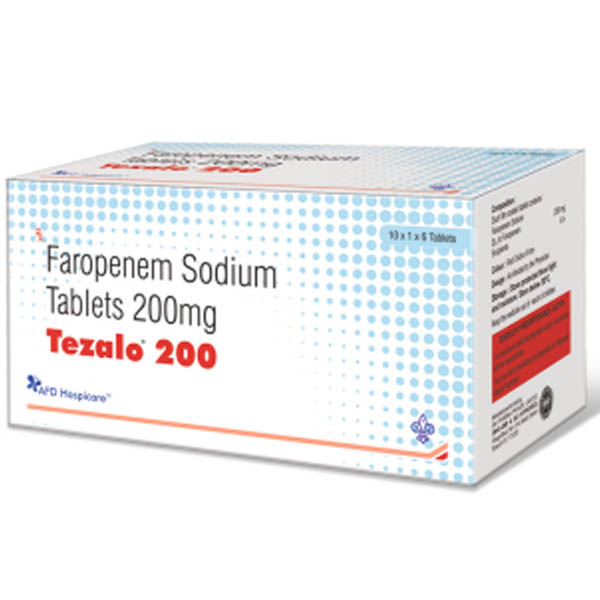
TEZALO – 200 TABLETS (6 T)
Skin & Soft Tissue Infections
View
TEZALO 300 ER TABLETS (6 T)
Skin & Soft Tissue Infections, Faster Wound Healing, Respiratory Tract Infection, Urinary Tract Infection, Burn & Plastic Surgery
View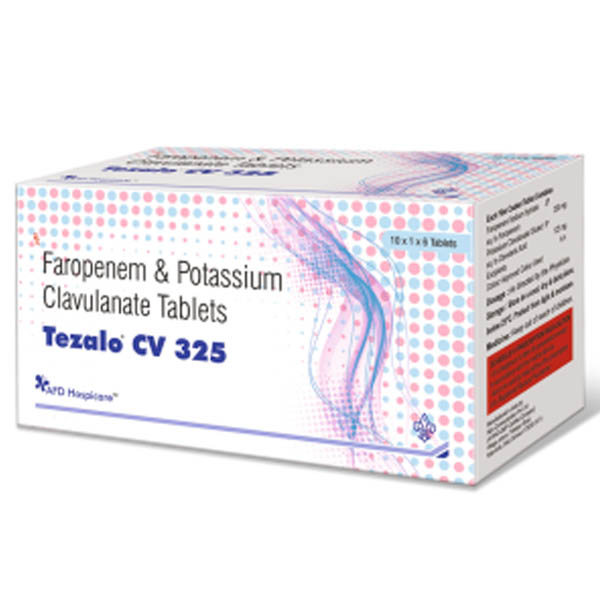
TEZALO-CV 325 TABLETS
Upper & Lower Respiratory Tract Infections, Ent Infections, Genito-Urinary Infections, Post-Surgical Infections, Skin & Soft Tissue Infections
View